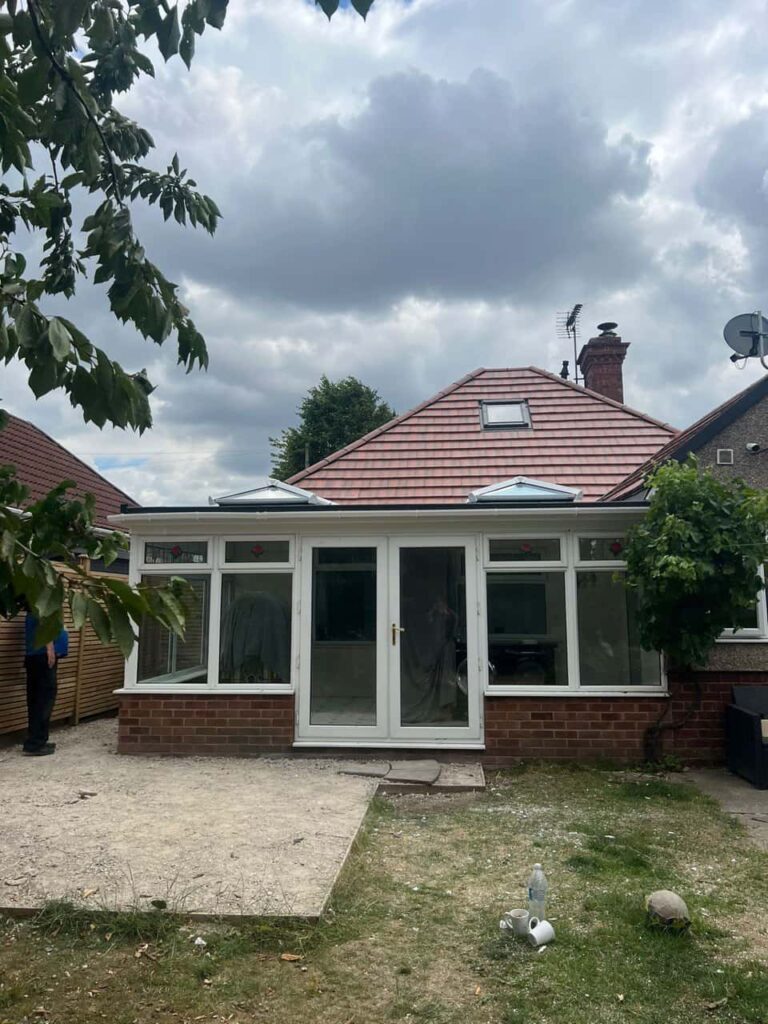
Lead flashing may not be one of the most noticeable parts of a roof, but it plays an important role in keeping vulnerable areas protected from water. Around chimneys, roof junctions, walls and other changes in roof structure, flashing helps direct rainwater away from areas where it could otherwise penetrate the roof.
For homeowners in Malmesbury, Wiltshire, keeping lead flashing in good condition is an important part of maintaining a weather-resistant roof. Even a relatively small defect can allow moisture to enter and gradually cause more extensive problems.
What Is Lead Flashing and Where Is It Used?
Lead flashing consists of shaped sections of lead installed around roof junctions and other areas that need additional protection from water. It creates a weatherproof barrier where different materials or surfaces meet.
Common locations include:
- Around chimney stacks
- Where a roof meets a wall
- Along roof abutments
- Around certain roof extensions and junctions
These areas are particularly vulnerable because rainwater can collect or run along the junction rather than flowing directly down the main roof surface.
Why Is Lead Flashing So Important?
A roof covering can be in good condition while water still enters through a poorly maintained junction. Lead flashing helps prevent this by creating a carefully formed transition between the roof and adjoining structures.
When correctly installed, it helps channel rainwater onto the roof surface and away from vulnerable joints. This reduces the opportunity for moisture to reach the underlying roof structure, insulation or internal areas of the property.
What Can Happen When Lead Flashing Deteriorates?
Over time, lead flashing can develop splits, cracks, lifting or other signs of deterioration. Movement between building materials and exposure to changing weather conditions can contribute to defects.
Damaged flashing may allow water to enter beneath the surrounding roof materials. Depending on where the defect occurs, this can eventually result in damp patches, staining, timber deterioration or damage to other parts of the roof.
The visible symptom may not always appear directly above the point where water is entering, which is why professional diagnosis can be important.
What Are the Signs Your Lead Flashing Needs Attention?
Homeowners in Malmesbury should look out for signs that may indicate a flashing problem, including:
- Damp or discoloured patches on ceilings or walls
- Water appearing around a chimney
- Cracked or visibly damaged lead
- Sections of flashing that appear loose or lifted
- Deteriorating mortar around flashing
- Repeated signs of moisture after rainfall
These symptoms do not necessarily mean that the flashing is the cause, as roof leaks can originate from several different areas. A professional inspection can help establish the actual source.
Why Is Professional Leadwork Important?
Lead flashing needs to be fitted and shaped correctly so that it works with the surrounding roof rather than creating additional weak points. Poorly installed flashing can leave gaps or allow water to pass behind the protection.
Professional roofers can inspect the flashing, surrounding roof coverings and associated junctions before deciding whether repair or replacement is appropriate. This helps ensure the underlying issue is addressed rather than simply treating the visible symptom.
How Can Regular Roof Inspections Help?
Including flashing in routine roof inspections can help identify deterioration before it develops into a more significant problem. Early attention can be particularly useful around chimneys and other exposed junctions where water penetration can be difficult to identify from inside the property.
A professional inspection also provides an opportunity to check whether surrounding tiles, mortar and roof materials are contributing to the problem.
Conclusion
Lead flashing is a small but essential part of a roof’s weatherproofing system. By protecting vulnerable junctions around chimneys, walls and other roof structures, it helps prevent rainwater from reaching areas where it can cause hidden damage.
For homeowners in Malmesbury, Wiltshire, damaged or deteriorating flashing should not be overlooked. If you have noticed signs of a roof leak or are concerned about the condition of your leadwork, contact LJ Roofing Malmesbury to arrange a professional assessment and discuss the appropriate roof repair or leadwork required.
Call us on: 01666 330 788
Click here to find out more about LJ Roofing Malmesbury
Click here to complete our contact form and see how we can help with your roofing needs.