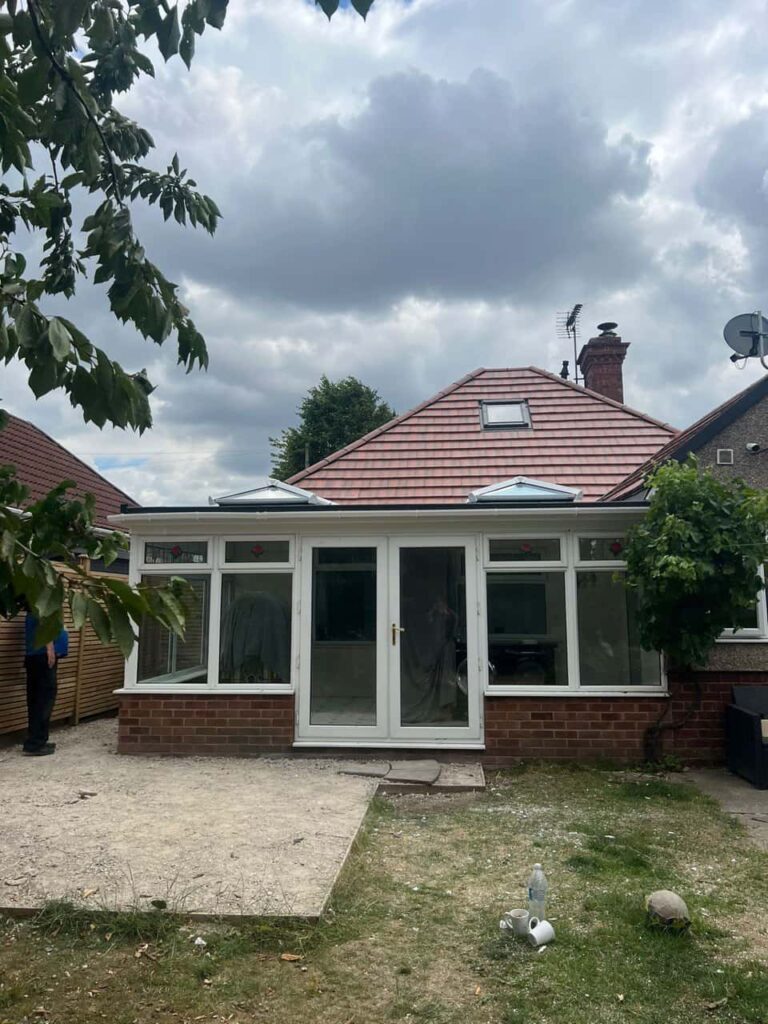
Many roofing problems begin as small defects that are difficult to spot from ground level. A loose tile, a minor crack in flashing, or the early signs of water ingress may not seem significant at first, but over time these seemingly minor issues can develop into major roofing concerns. This is why professional roof surveys play such an important role in property maintenance.
For homeowners and property managers in Malmesbury, Wiltshire, a professional roof survey provides valuable insight into the condition of a roof and helps identify problems before they become costly and disruptive. At LJ Roofing Malmesbury, we carry out detailed roof inspections that help protect properties and extend the lifespan of roofing systems.
What Is a Professional Roof Survey?
A roof survey is a thorough inspection of the roof and its associated components. The purpose is to assess the condition of the roofing system and identify any areas that may require maintenance, repair, or further investigation.
A professional survey typically examines:
- Roof tiles or slates
- Ridge and hip tiles
- Flashing and leadwork
- Roof valleys
- Guttering systems
- Chimney structures
- Roof ventilation
- General signs of wear and deterioration
This comprehensive assessment helps create a clear picture of the roof’s overall condition.
Detecting Minor Issues Early
One of the greatest benefits of a roof survey is the ability to identify small problems before they develop into larger ones.
Examples include:
- Cracked tiles
- Loose ridge tiles
- Minor flashing defects
- Early signs of weather damage
- Small areas of mortar deterioration
Addressing these issues promptly often prevents more extensive repairs from becoming necessary later.
Identifying Hidden Roof Leaks
Not all roof leaks are immediately obvious. Water can travel through roofing materials and enter the property some distance away from the original point of entry.
A professional survey can reveal:
- Hidden water ingress
- Damp areas within the roof structure
- Signs of moisture penetration
- Vulnerable roofing components
Finding the source of a leak early helps minimise the risk of further damage.
Assessing Weather-Related Damage
The British climate can place considerable stress on roofing systems throughout the year. Strong winds, heavy rainfall, frost, and temperature fluctuations can all contribute to gradual roof deterioration.
Roof surveys help identify:
- Wind-damaged tiles
- Storm-related movement
- Weathering of roofing materials
- Areas vulnerable to future damage
Regular inspections are particularly valuable after periods of severe weather.
Evaluating Roof Age and Wear
As roofs age, their materials naturally begin to deteriorate. While this process is gradual, it can eventually affect the roof’s performance.
A survey allows roofing professionals to assess:
- Overall material condition
- Signs of ageing
- Remaining service life
- Areas approaching the need for repair
Understanding the condition of an ageing roof helps homeowners plan maintenance more effectively.
Preventing Water Damage
Water ingress is one of the most common causes of roofing problems. Left unchecked, even a small leak can affect multiple parts of a property.
A roof survey helps reduce the risk of:
- Damp patches
- Ceiling staining
- Timber deterioration
- Loft moisture issues
Preventative action often helps avoid more extensive damage within the property.
Checking Roof Flashing and Junctions
Roof flashing is essential for protecting vulnerable areas where different roof elements meet.
Common locations include:
- Chimneys
- Roof valleys
- Roof-to-wall junctions
- Dormer connections
Because these areas are often exposed to significant weathering, surveys pay particular attention to their condition.
Identifying Structural Concerns
Although roofing materials are the most visible part of a roof, the underlying structure is equally important.
Professional inspections may reveal:
- Signs of sagging
- Structural movement
- Timber deterioration
- Areas requiring further investigation
Early detection helps maintain the integrity of the entire roofing system.
Supporting Long-Term Roof Performance
Regular surveys help homeowners take a proactive approach to roof maintenance rather than waiting for visible problems to appear.
Benefits include:
- Improved roof longevity
- Reduced likelihood of emergency repairs
- Better property protection
- Ongoing peace of mind
Routine inspections are often one of the most effective ways to preserve a roof’s condition.
Why Professional Surveys Matter
While some roofing defects are visible from the ground, many are not. Professional roofing contractors have the knowledge and experience required to identify issues that may otherwise go unnoticed.
At LJ Roofing Malmesbury, we provide:
- Roof surveys
- Roof inspections
- Tile and slate assessments
- Storm damage evaluations
- Roof maintenance advice
- Repair recommendations
Our detailed inspections help property owners make informed decisions about their roofing needs.
When Should a Roof Survey Be Considered?
A professional roof survey can be beneficial in several situations, including:
- Following severe weather
- Before purchasing a property
- When signs of a leak appear
- As part of routine property maintenance
- When the roof is showing signs of age
Regular inspections often help prevent unexpected roofing problems.
Conclusion
Professional roof surveys are an essential part of effective property maintenance. By identifying minor defects, hidden leaks, weather-related damage, and signs of ageing before they escalate, surveys help homeowners protect their investment and maintain a safe, weather-resistant roof.
For property owners in Malmesbury, Wiltshire, LJ Roofing Malmesbury provides comprehensive roof surveys designed to uncover potential issues before they become major concerns. A proactive approach to roof maintenance can help preserve the condition of your roof and provide long-term peace of mind.
Call us on: 01666 330 788
Click here to find out more about LJ Roofing Malmesbury
Click here to complete our contact form and see how we can help with your roofing needs.